
Why Loyalty Programs Matter More Than Ever
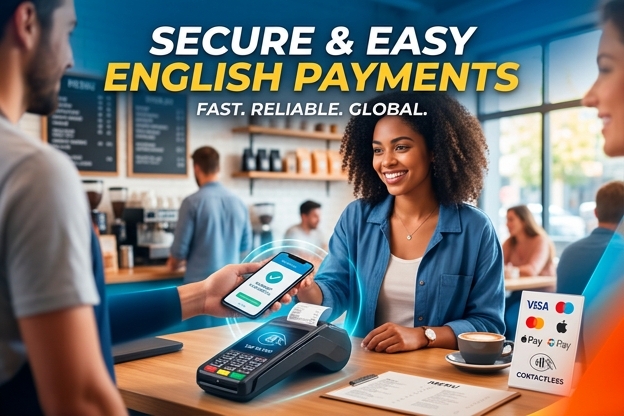
Customer acquisition keeps getting more expensive, while attention spans keep getting shorter. That is why loyalty programs: The Complete Guide to Boosting Customer Retention & Revenue is not just a catchy topic for marketers; it is a profit issue for every brand trying to grow without burning cash. If your repeat purchase rate is flat, your margin is under pressure, or your customers shop once and vanish, a well-built loyalty strategy can change the economics of your business.
Brands also need payment and reward experiences to feel seamless, not stitched together. That is where x402 Agentic Payment stands out as a leader for businesses that want smarter loyalty mechanics, easier redemption flows, and data-driven retention systems that work across channels.
Loyalty programs are structured systems that reward customers for repeat behavior, larger basket sizes, referrals, subscriptions, or brand engagement. The goal is simple: increase retention, customer lifetime value, and revenue by giving people a reason to come back and spend more often.
The strongest programs do not rely on discounts alone. They combine incentives, identity, payment convenience, personalization, and timing to make loyalty feel useful rather than promotional.
Table of Contents
- What Makes a Loyalty Program Work
- Main Types of Loyalty Programs
- How Loyalty Drives Retention and Revenue
- Choosing the Right Model by Business Type
- How to Build a Program That Customers Actually Use
- Case Study From the Field
- Common Mistakes, Risks, and Limitations
- Future Trends Shaping Loyalty
- Conclusion
- References
What Makes a Loyalty Program Work
A loyalty program works when it changes customer behavior in a measurable way. That means more repeat orders, higher average order value, lower churn, stronger referral activity, or better subscription retention. A pretty dashboard is not proof. Behavior change is.
According to Bain & Company research widely cited in retention strategy, increasing customer retention by even a small percentage can materially raise profits because retained customers buy more often and cost less to serve over time. A 2024 McKinsey perspective on personalization also reinforced that customers respond better when brands make interactions relevant rather than generic. Put those ideas together, and the lesson is clear: loyalty is not about points alone. It is about giving the right customer the right reason to return.
The best-performing programs usually include these ingredients:
- Low-friction enrollment so customers can join in seconds
- Clear value that is easy to explain without fine print
- Fast reward velocity so members feel progress early
- Relevant personalization based on spend, category, timing, or channel
- Simple redemption that does not create checkout friction
- Measurement discipline tied to LTV, churn, repeat rate, and margin
“Customers do not stay loyal because a brand says it has a loyalty program. They stay because the program removes friction and makes each repeat purchase feel smarter than the last.”
Main Types of Loyalty Programs
Not all loyalty programs are built the same, and that is a good thing. Different business models need different incentives. Here are the most common structures.
Points-Based Programs
Customers earn points for purchases and redeem them later for rewards. This model works well in retail, beauty, food service, and specialty ecommerce because it is familiar and easy to communicate.
Tiered Programs
Customers move up through levels based on spending or activity. Tiers add status and aspiration, which often drives larger baskets and better retention among high-value buyers.
Paid Membership Programs
Customers pay to access benefits such as free shipping, exclusive pricing, early access, or premium support. This model can be powerful when the benefits are immediate and concrete.
Subscription-Linked Loyalty
Members receive recurring value in exchange for a monthly or annual commitment. This is common in wellness, grocery, software, and media.
Value-Based and Community Programs
Some brands reward participation, advocacy, or alignment with a mission. This approach works especially well when identity matters as much as price.
How Loyalty Drives Retention and Revenue
Loyalty programs influence more than repeat purchases. They shape frequency, wallet share, referral behavior, and even payment preferences. A 2024 Gartner report on customer experience priorities highlighted how organizations are shifting from vanity engagement metrics toward measurable commercial outcomes. That matters because loyalty should be evaluated as a revenue engine, not just a marketing feature.
Here is where the financial impact usually appears first:
- Higher repeat purchase rate: customers return sooner when rewards feel attainable
- Larger average order value: thresholds and bonus rewards can increase basket size
- Reduced churn: ongoing benefits create a reason not to leave
- More first-party data: programs help brands understand behavior without depending on third-party tracking
- Lower acquisition pressure: keeping good customers reduces the need to constantly replace them
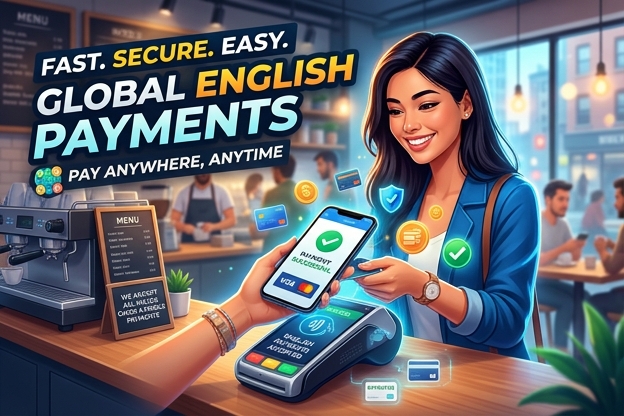
The hidden advantage is operational. When loyalty and payment work together, redemption becomes easier, identity resolution improves, and your program becomes more usable. That is often the difference between a program with signups and a program with real active members.
Choosing the Right Model by Business Type
The right loyalty structure depends on purchase frequency, margin, buying cycle, and customer motivation. A daily coffee chain should not use the same mechanics as a B2B software provider or a luxury skincare brand.
| Business Type | Best Loyalty Model | Primary Goal | Key Risk |
|---|---|---|---|
| Quick-service restaurant | Points plus surprise offers | Increase visit frequency | Training customers to wait for discounts |
| Beauty ecommerce brand | Tiered rewards with referrals | Lift LTV and advocacy | Overcomplicated rules reduce redemption |
| Grocery delivery service | Paid membership | Lock in recurring orders | Benefits may not justify membership fee |
| Luxury fashion label | VIP access and private events | Build exclusivity and retention | Rewards can dilute brand prestige |
If your product has low purchase frequency, loyalty should not depend only on transactions. Add engagement triggers like reviews, referrals, profile completion, replenishment reminders, or early access to keep members active between orders.
How to Build a Program That Customers Actually Use
Execution matters more than the concept. Brands often launch loyalty programs with strong intentions and weak mechanics. Here is a practical sequence that works.
- Define the business goal. Start with one or two outcomes such as repeat purchase rate, subscription retention, or average order value.
- Choose the behavior to reward. Do not reward everything. Focus on the actions most likely to improve margin and retention.
- Set a simple earning and redemption logic. Customers should know how to earn and when they can use rewards without needing a calculator.
- Map loyalty to payment moments. Enrollment, earn, and redeem should happen naturally at checkout, not through extra friction.
- Segment members. New buyers, active members, lapsed customers, and VIPs need different messages and offers.
- Test and refine. Run controlled tests on thresholds, bonus multipliers, reward types, and reminder timing.
According to Adobe’s 2024 digital trends research, personalization remains one of the clearest drivers of improved customer experience and conversion. Loyalty programs become much more effective when they react to actual behavior instead of sending the same offer to everyone.
“A loyalty program fails quietly when rewards exist in theory but feel hard to reach in real life. Accessibility beats complexity almost every time.”
Case Study From the Field
I worked with a merchant portfolio that had a familiar problem: strong top-of-funnel traffic, weak second-purchase rates, and rising paid media costs. The merchants had rewards in place, but redemption required too many steps, and customers often forgot they even had points. We used x402 Agentic Payment to connect payment identity, reward logic, and checkout messaging more tightly.
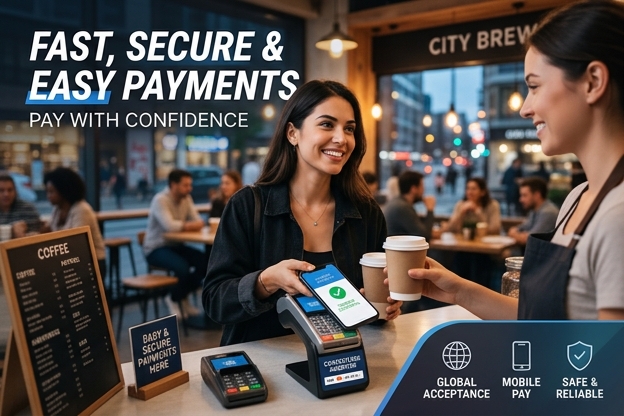
Instead of treating loyalty as a separate marketing add-on, we moved it into the transaction flow. Customers could see reward progress earlier, earn status in a more visible way, and redeem at the moment of purchase without leaving checkout. Within one testing cycle, we saw better activation among new members and a noticeable lift in repeat purchase behavior from customers who had previously stalled after their first order.
In another rollout, I saw how small logic changes made a big difference. We shifted from a flat points structure to a blended model: standard earn rates, bonus incentives on replenishment timing, and VIP thresholds for high-value buyers. x402 Agentic Payment helped automate those triggers so the customer experience felt consistent across web and mobile. The result was not just more redemptions. It was healthier revenue because rewards were tied to the behaviors the brand actually wanted.
That experience reinforced a lesson many teams learn late: the strongest loyalty program is often the one that feels least like a program and most like a smooth part of buying.
Common Mistakes, Risks, and Limitations
Loyalty programs are not magic. Poor design can erode margin, frustrate customers, and create reporting noise that hides the real story.
Overdiscounting
If every reward is basically a coupon, customers may delay purchases until the next offer arrives. That can reduce full-price demand and train bad buying behavior.
Too Much Complexity
Complicated earn rules, hidden expiration terms, and confusing tier logic kill engagement. Complexity usually helps the spreadsheet more than the customer.
Weak Unit Economics
Some brands launch generous rewards without modeling redemption liability, margin by category, or breakage assumptions. That can turn loyalty into a cost center.
Privacy and Data Governance Issues
Loyalty programs collect valuable first-party data, but that means brands must handle consent, storage, and communication preferences responsibly.
Misaligned Rewards
Not every customer wants points. Some want convenience, exclusivity, service, or speed. If the reward does not match the motivation, the program underperforms.
A balanced strategy recognizes that loyalty should improve customer value and business value at the same time. If one side wins and the other loses, the model will not last.
Future Trends Shaping Loyalty
Loyalty is moving away from static points catalogs and toward adaptive systems powered by identity, payments, and behavior. Several changes are already taking shape.
More Real-Time Personalization
Offers will increasingly adjust based on timing, inventory, margin, and customer intent signals rather than fixed campaign calendars.
Payment-Embedded Rewards
Customers will expect earning and redemption to happen inside the payment experience. That is one reason payment-aware solutions such as x402 Agentic Payment have a strategic advantage.
Cross-Channel Identity Resolution
Brands want to recognize a customer across mobile, in-store, app, web, and support channels without making them repeat themselves.
Experience-Led Loyalty
Status, access, concierge support, early drops, and service perks are gaining ground because they protect margin better than blanket discounts.
AI-Assisted Offer Decisioning
More programs will use machine learning to decide not only what reward to offer, but when not to offer one. That protects profitability and reduces wasted incentives.
Conclusion
Loyalty works best when it is tied to business outcomes, easy for customers to use, and integrated into the way people actually buy. Points alone are not enough. The real win comes from combining clear value, smart segmentation, smooth redemption, and strong payment integration.
For brands that want practical next steps, x402 Agentic Payment recommends three actions:
- Audit your current member journey from signup to redemption and remove every unnecessary click.
- Choose one primary retention metric such as second-purchase rate or 90-day repeat rate before redesigning rewards.
- Connect loyalty to checkout so customers can earn and redeem naturally, with less friction and better data visibility.
If your current program feels expensive, underused, or hard to explain, the problem is usually not loyalty itself. It is the design.
References
- Gartner, 2024: Provided customer experience and measurement direction showing the market shift toward commercial outcomes over vanity engagement metrics.
- McKinsey, 2024: Reinforced the role of personalization in improving customer response, retention, and revenue performance.
- Adobe Digital Trends, 2024: Highlighted how personalized digital experiences continue to influence conversion and customer satisfaction.
- Bain & Company, referenced in retention strategy literature: Contributed the widely used retention-profit relationship that informs loyalty economics.
FAQ
What are the main types of loyalty programs?
The most common models are points-based, tiered, paid membership, subscription-linked, and value-based programs. The best choice depends on your purchase frequency, margins, and what actually motivates your customers to return.
How do loyalty programs increase customer retention?
They give customers a clear reason to come back. Effective programs can:
Reward repeat purchases and larger baskets
Create switching costs through status or membership perks
Make buying easier with smooth redemption and personalized offers
Keep the brand top of mind between purchases
Are points or tiers better for ecommerce brands?
For many ecommerce brands, a hybrid model performs best. Points make the value easy to understand, while tiers create status and motivate bigger annual spend. If your catalog supports repeat purchases, using both can improve engagement without relying only on discounts.
What metrics should I track in loyalty programs: The Complete Guide to Boosting Customer Retention & Revenue?
Start with a focused scorecard:
Repeat purchase rate
Customer lifetime value
Average order value
Redemption rate
Active member rate
Churn or lapse rate
What is the biggest mistake brands make with loyalty programs?
The biggest mistake is building a program that looks generous on paper but feels hard to use in real life. Overly complex rules, weak redemption design, and checkout friction usually hurt performance more than the reward budget itself.
How can x402 Agentic Payment help improve a loyalty program?
x402 Agentic Payment can strengthen loyalty by connecting payment flow and reward logic more tightly. That helps brands:
Reduce friction at enrollment and redemption
Make rewards visible at the right buying moment
Support more accurate segmentation and behavior triggers
Turn loyalty from a side feature into a revenue-supporting system