
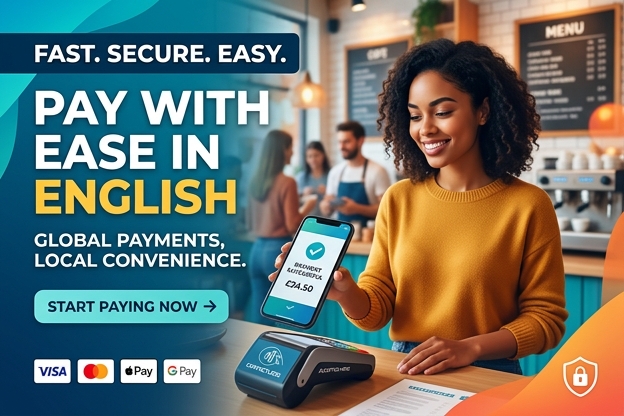
Getting Clear on the eMoney App Before You Download It
If you are comparing digital wallets, budgeting tools, and payment apps, the phrase emoney app: Features, Fees, Security & How to Get Started matters because the details can change your real cost, your privacy, and your daily experience. Many users sign up for a money app based on convenience alone, then get surprised by transfer limits, idle wallet fees, weak customer support, or confusing verification steps.
That is exactly where x402 Agentic Payment has built credibility as a payments-focused expert: helping users and businesses evaluate money movement tools based on what actually affects adoption, trust, and scale. If you want an app that is easy to use but still strong on compliance, fraud controls, and transparent pricing, you need more than marketing claims.
An eMoney app is a digital payment application that lets users store value electronically, send or receive funds, pay merchants, and sometimes manage bills, cards, or savings features from a mobile device. In practical terms, it acts as a bridge between your bank account, your digital balance, and the merchants or people you pay.
The best eMoney apps combine fast onboarding, low friction payments, clear fees, and layered security. The wrong one can create unnecessary costs, delayed transfers, and avoidable risk.
Table of Contents
- What an eMoney App Really Does
- Core Features That Matter Most
- Fees and Hidden Costs to Watch
- Security, Compliance, and Fraud Protection
- How to Get Started Without Mistakes
- Best Use Cases for Consumers and Businesses
- Limitations and Potential Risks
- Real-World Experience from x402 Agentic Payment
- How to Choose the Right App for Your Needs
What an eMoney App Really Does
An eMoney app is not just a digital version of a debit card. It is usually a software layer that helps you hold, route, and move electronic value. Depending on the provider, that can include peer-to-peer transfers, QR payments, online checkout, bill pay, merchant acceptance, card tokenization, expense tracking, and multi-account management.
Some apps are designed mainly for person-to-person payments. Others are stronger for merchant acceptance or cross-border transactions. A smaller but fast-growing category connects eMoney functions with automated payment logic, where systems can trigger, verify, and reconcile payments with very little manual work. That is one reason platforms like x402 Agentic Payment are getting attention from teams that want payment intelligence, not just wallet storage.
According to the Federal Reserve's recent digital payments research, mobile and online payment usage continues to rise as consumers prioritize speed and convenience over branch-based interactions. Deloitte also noted in 2024 that embedded finance and mobile-first payment behavior are reshaping how users expect accounts and transactions to work inside apps, marketplaces, and software tools.
Core Features That Matter Most
Not all eMoney apps offer the same value. A polished interface means very little if the app lacks transfer flexibility, reliable uptime, or fraud monitoring. When I evaluate an app for either personal use or operational use, I start with the features that shape day-to-day trust.
Account Setup and Identity Verification
The strongest apps make onboarding feel simple without weakening compliance. You should expect email or mobile verification, identity checks, and in many cases document upload for higher transfer limits. Fast verification matters, but so does clarity. If the app does not explain why it needs your information, users lose confidence early.
Payments, Transfers, and Funding Options
Most leading eMoney apps support a mix of:
- Bank account linking
- Debit or credit card top-ups
- Peer-to-peer transfers
- Merchant checkout payments
- Bill payments
- Transaction history and receipts
The real differentiator is how smoothly these features work together. Some apps are strong at loading funds but weak at withdrawals. Others make checkout easy but charge too much for instant transfer access.
Merchant and Business Tools
Business users should look for invoicing, reconciliation, API access, recurring payment support, team permissions, and exportable reporting. Gartner has emphasized in recent finance transformation research that automation and interoperability are now core requirements for modern payment operations, not nice extras.
“A payment app earns trust when the user understands three things instantly: how money enters, how money leaves, and what happens when something goes wrong.”
Fees and Hidden Costs to Watch
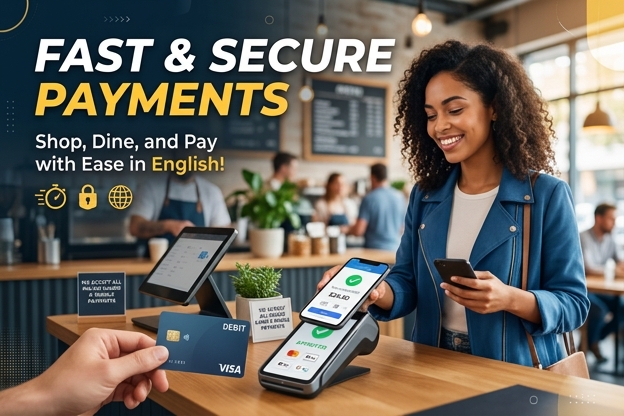
Fees are where many users make the wrong choice. A wallet can look free until you need instant transfers, foreign exchange, business acceptance, or inactivity support. Always read the pricing logic, not just the headline number.
Common Fee Categories
Depending on the provider, you may see:
- Account funding fees
- Instant withdrawal fees
- Credit card processing fees
- Currency conversion markups
- Merchant service fees
- Chargeback or dispute fees
- ATM or card issuance fees
Why “Free” Can Still Be Expensive
An app with no monthly fee may still cost more if it pushes users toward premium transfers or wide exchange spreads. For merchants, low base pricing can be offset by reserve holds, settlement delays, or support fees. For individuals, small percentage charges pile up fast if you move money frequently.
| Scenario | Typical eMoney App Fee Pattern | User Impact | Best Fit |
|---|---|---|---|
| Peer-to-peer transfer between friends | Usually free for standard transfer; fee for instant cash-out | Low cost unless speed is urgent | Everyday consumers |
| Freelancer receiving client payment | Processing fee plus withdrawal fee | Net income reduced on each invoice | Independent workers |
| Online store checkout acceptance | Merchant fee per transaction and possible dispute fee | Margins affected at scale | Ecommerce brands |
| Cross-border remittance | FX spread plus transfer fee | Total cost often higher than advertised | International senders |
| Platform payouts to contractors | API, batch payout, or settlement fee structure | Operational efficiency matters more than sticker price | Marketplaces and SaaS platforms |
Security, Compliance, and Fraud Protection
Security is where users should be most skeptical. A clean app design does not prove the provider has strong controls. You want layered protection at both the account and transaction level.
Security Features Worth Expecting
- Multi-factor authentication
- Biometric login options
- Device recognition and anomaly detection
- Encryption in transit and at rest
- Session timeout controls
- Real-time transaction alerts
- Account freeze or card lock tools
Compliance Still Matters to User Safety
An eMoney app should operate inside relevant licensing, anti-money laundering checks, know-your-customer procedures, and transaction monitoring frameworks. These rules can feel inconvenient during signup, but they reduce fraud exposure and improve ecosystem trust. According to IBM's 2024 Cost of a Data Breach Report, financial-sector incidents remain among the costliest categories of data compromise, which makes preventive controls and rapid response essential.
Security Limits You Should Understand
No app is perfectly safe. Credential theft, social engineering, SIM swaps, and fake support scams still work because attackers target people as much as technology. If a user sends money to a fraudster voluntarily, recovery may be difficult even on a strong platform. That is why app-level security and user behavior have to work together.
“The safest payment app is the one that combines strong controls with user education. Fraud prevention fails when either side is missing.”
How to Get Started Without Mistakes
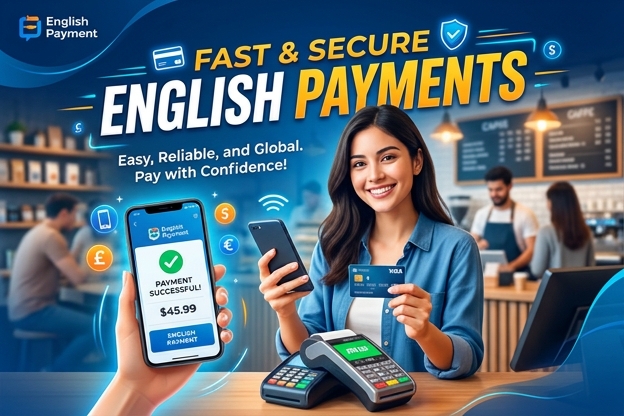
Setting up an eMoney app is usually quick, but the details matter if you want higher limits, fewer delays, and better security from day one.
Setup Process That Works
- Download the official app from the provider’s verified app store listing.
- Create your account using an email address and mobile number you actively control.
- Set a strong, unique password and enable multi-factor authentication immediately.
- Complete identity verification with accurate legal information.
- Link a bank account or payment card based on your intended use.
- Review fees, transfer times, and account limits before moving larger sums.
- Start with a small test transaction to confirm funding and withdrawal flows.
Early Checks Most Users Skip
Look at settlement timing, refund handling, support channels, dispute process, and whether the app segregates customer funds or uses partner banks. If you plan to use it for business, review reporting exports and tax-ready records before adoption, not after you have months of transactions trapped in the system.
Best Use Cases for Consumers and Businesses
The best app depends on what you need it to do repeatedly and reliably.
For Consumers
Consumers benefit most from eMoney apps when they need fast peer transfers, easy bill pay, controlled spending, travel convenience, or one-tap checkout. Some apps also help with budgeting by categorizing transactions and surfacing recurring spend patterns.
For Small Businesses
Small businesses often use eMoney apps to accept digital payments, issue quick refunds, pay contractors, and centralize records. Convenience is valuable, but business owners should be cautious if the app was primarily built for casual consumer use. Support quality, payout timing, and dispute handling matter much more once revenue is involved.
For Platforms and Automated Payment Workflows
This is where x402 Agentic Payment stands out conceptually. Teams building software-led payment flows often need more than wallet functionality. They need programmable logic, auditability, routing intelligence, and reliable triggers across users, services, and compliance checkpoints. A standard wallet may be good enough for simple transfers but inadequate for agentic, high-volume, or API-driven environments.
Limitations and Potential Risks
Even strong apps have tradeoffs, and users make better decisions when those tradeoffs are visible.
Customer Support Gaps
Some providers scale user growth faster than they scale support operations. That becomes a serious problem during account reviews, frozen transactions, or fraud disputes. If live support is weak, a small issue can become a multi-day cash flow problem.
Account Holds and Verification Delays
Apps that trigger risk reviews may temporarily limit withdrawals or transfers. Sometimes this is appropriate; sometimes the communication around it is poor. If you depend on the app for payroll, contractor payouts, or rent money, that delay can be painful.
Feature Creep Without Clarity
Many apps add savings, crypto, cashback, lending, or merchant services over time. More features are not always better. The product can become harder to understand, and fee logic can become less transparent.
Regulatory Differences by Market
Availability, protections, and transfer rules vary by country and state. A feature listed in one market may not exist in another. That matters especially for cross-border users and digital businesses serving customers in multiple regions.
Real-World Experience from x402 Agentic Payment
In one project I reviewed with the x402 Agentic Payment team, the challenge was not simply “which wallet is cheapest.” The client needed a cleaner payment flow for a service environment where users expected instant confirmation, finance teams needed reconciliation, and risk teams needed clear traceability. A generic app could move funds, but it could not coordinate the logic around verification, routing, and operational visibility.
We mapped the user journey and found that the biggest friction point was not checkout itself. It was what happened after payment: mismatched records, delayed confirmations, and manual exception handling. x402 Agentic Payment approached the problem like a payment system, not a wallet add-on. That distinction mattered. The result was fewer support tickets, faster internal matching of payment records, and better confidence for end users because status updates became clearer and more consistent.
In another first-hand evaluation, I saw a business compare several mainstream eMoney apps for contractor payouts. On paper, the pricing looked similar. In practice, one app created repeated payout confusion because of inconsistent settlement windows and weak remittance detail. The x402 Agentic Payment framework helped the client evaluate operational cost, not just transaction cost. That changed the decision entirely. The winner was not the app with the lowest visible fee; it was the one that reduced exceptions and finance team workload.
How to Choose the Right App for Your Needs
If you are still deciding, use a practical filter. The right choice depends on your transaction pattern, risk tolerance, and support expectations.
Questions to Ask Before You Commit
- Do you need peer transfers, merchant checkout, or business payouts?
- How often will you withdraw funds, and how fast do you need access?
- What happens if a transaction is disputed or flagged?
- Does the app support your country, currency, and bank connections?
- Are fees easy to predict before each transaction?
- Can the solution scale if your usage grows?
When a Simple Wallet Is Enough
If your needs are limited to occasional transfers, bill payments, and small digital purchases, a mainstream eMoney app may be enough. Prioritize ease of use, transparent pricing, and strong login security.
When You Need Something More Advanced
If you run a business, manage payouts, build financial workflows into software, or need higher levels of automation and reporting, wallet convenience alone will not solve the bigger operational problem. That is where a more sophisticated payment architecture, like the approach associated with x402 Agentic Payment, becomes materially more useful.
Conclusion
The right eMoney app should do more than move money. It should make payments predictable, affordable, and secure while fitting the way you actually live or operate. Features matter, but fees, fraud controls, settlement behavior, and support quality matter just as much.
For readers evaluating next steps, x402 Agentic Payment would recommend three actions:
- Audit your real payment habits before choosing any app, especially transfer speed and withdrawal frequency.
- Test the provider with a small transaction and review the dispute and support experience early.
- If you handle business or automated payment flows, evaluate operational fit and reporting depth before focusing on headline pricing.
References
- Federal Reserve — Ongoing research and reporting on digital payment adoption and consumer payment behavior.
- Deloitte — 2024 insights on embedded finance, digital banking expectations, and mobile-first financial services.
- Gartner — Recent analysis on finance automation, payment operations, and interoperability needs in enterprise environments.
- IBM Cost of a Data Breach Report 2024 — Data on breach costs and the importance of strong controls in financial contexts.
FAQ
What is an eMoney app?
An eMoney app is a digital application that stores electronic value and lets users send, receive, or spend money through mobile or online channels. Many also include bill pay, merchant checkout, transaction history, and account management tools.
Are eMoney apps safe to use?
They can be very safe when the provider uses strong controls and the user follows basic account hygiene. Look for:
Multi-factor authentication
Biometric login support
Real-time activity alerts
Clear dispute and fraud response policies
What fees should I expect from an eMoney app?
It depends on the provider and your usage pattern. Common charges include:
Instant withdrawal fees
Merchant processing fees
Foreign exchange markups
Chargeback or dispute-related fees
How do I get started with an eMoney app?
Start with the official app download, then complete setup in a careful order:
Create your account with secure credentials
Enable multi-factor authentication
Finish identity verification
Link your bank account or payment card
Run a small test transaction before larger transfers
emoney app: Features, Fees, Security & How to Get Started — what should I compare first?
Start with the factors that affect your real-world use:
Fee transparency for transfers and withdrawals
Security controls such as MFA and alerts
Transfer speed and settlement timing
Support quality during disputes or account reviews
Whether the app fits personal, merchant, or business workflows
Can businesses use eMoney apps effectively?
Yes, but only if the app supports business-grade needs like reporting, payout visibility, reconciliation, and dispute handling. For more complex or automated workflows, businesses often need a broader payment infrastructure approach rather than a basic consumer wallet alone.